Disclaimer (educational only): This article is for general educational information—not legal advice. Laws change and exceptions apply. Consult a qualified California landlord–tenant attorney for advice about your specific unit, lease language, or enforcement risk.
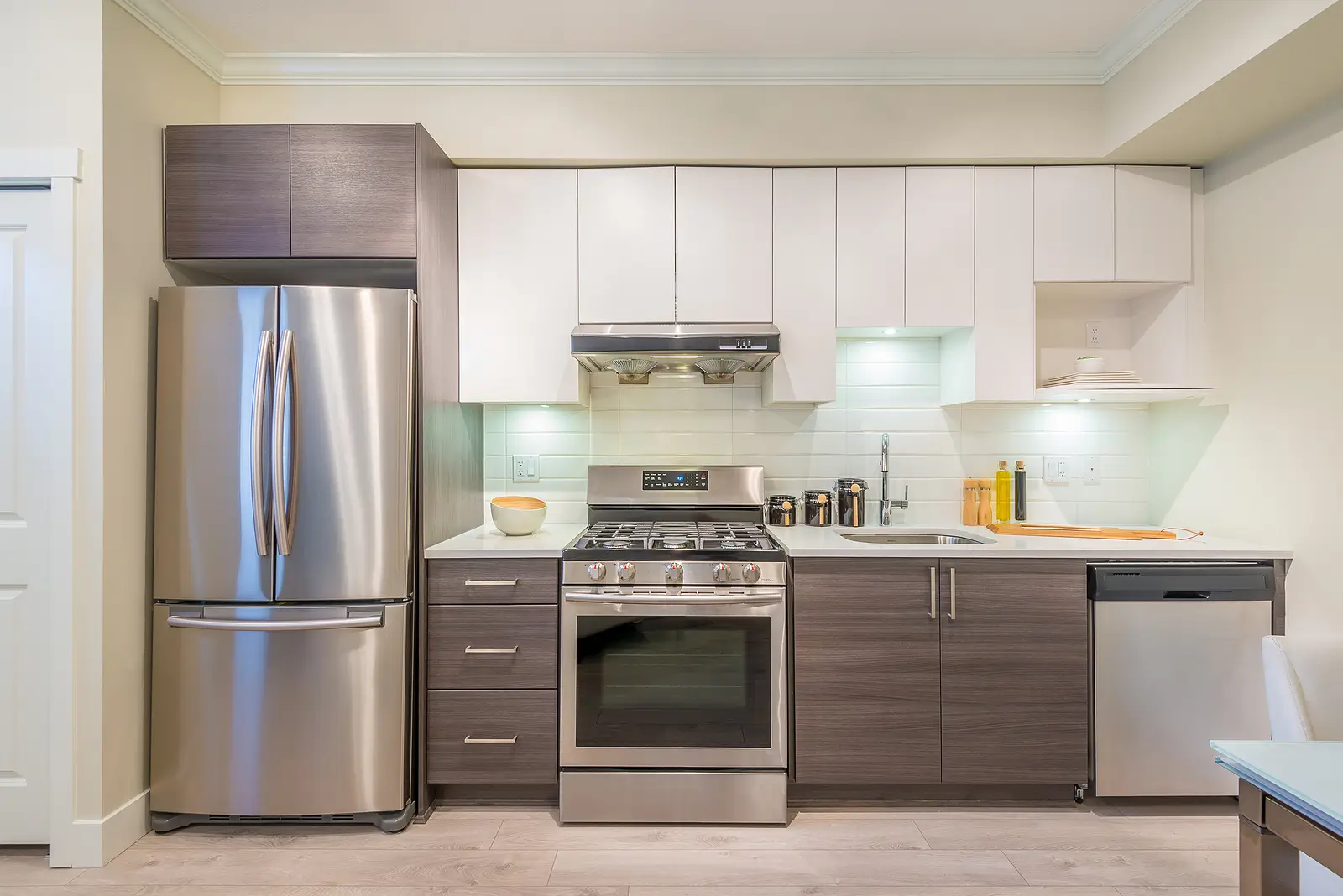
If you’ve been a landlord long enough, you’ve seen the gap between “what tenants expect” and “what the law requires.” In 2026, California narrows that gap: AB 628 makes a working stove and refrigerator part of the state’s baseline “tenantability” framework for many leases.
For San Diego County owners, this is less about politics and more about operations: capital planning, vendor capacity, and lease language.
Key Takeaways:
- - For many leases entered into, amended, or extended on/after Jan. 1, 2026, a unit’s “tenantability” characteristics include a working stove and refrigerator (Civil Code § 1941.1).
- - Tenants and landlords may mutually agree (at lease signing) that the tenant will provide and maintain their own refrigerator—but only if statutory conditions are met.
- - Some housing types are exempt from the new stove/fridge characteristics (listed in the statute).
- - Recall risk is now explicitly tied to “safe” operation; landlords must repair/replace recalled appliances within 30 days of receiving notice.
California statewide law (what AB 628 actually changes)
AB 628 amends Civil Code § 1941.1 by adding:
- a stove “maintained in good working order and capable of safely generating heat for cooking purposes” (with recall status treated as unsafe), applicable only to a lease entered into/amended/extended on or after January 1, 2026, and
- a refrigerator “maintained in good working order and capable of safely storing food” (with recall status treated as unsafe), also tied to the same lease timing.
What changed vs. prior law: Before AB 628, Civil Code § 1941.1 listed habitability characteristics (e.g., plumbing, hot/cold water, heating, etc.) without making a stove and refrigerator a statewide “tenantability” characteristic. AB 628 adds those appliances to the statutory list for covered leases.
When AB 628 applies (timing and triggers)
AB 628’s stove and refrigerator tenantability characteristics apply only to a lease that is:
- entered into,
- amended, or
- extended on or after January 1, 2026.
That matters because many “mom & pop” landlords don’t think of a renewal addendum, a rent addendum, or a lease-extension agreement as potentially triggering a new compliance requirement. AB 628 uses the “entered into, amended, or extended” language, so it’s smart to treat any written change pipeline as a compliance trigger.
Exemptions and thresholds (units AB 628 does not cover)
Civil Code § 1941.1(b) lists situations where the new stove/refrigerator characteristics
do not apply, including:
- Permanent supportive housing (as defined by Government Code § 8698.4(c)(2)),
- Single-room occupancy (SRO) units where occupants share food preparation
facilities,
- Units in a residential hotel (as defined in Health & Safety Code § 50519(b)(1)),
- Housing facilities offering shared/communal kitchen spaces, including a dwelling
unit within an assisted living facility.
The “tenant provides the refrigerator” option (what’s required)
AB 628 allows a tenant and landlord to mutually agree at lease signing that the tenant will provide and maintain their own refrigerator—but the law is specific about the conditions, including a required lease statement and the tenant’s right to later request landlord installation with 30 days written notice.
The statute also says: a landlord cannot condition a tenancy on the tenant providing their own refrigerator.
Practical takeaway: If you plan to rely on a “tenant-provided refrigerator” arrangement, treat it like a formal compliance addendum—not a handshake—and make sure the required statement and notice mechanics are included exactly as the statute contemplates.
Recall-driven repairs: the 30-day rule
AB 628 requires a landlord to repair or replace a stove or refrigerator that is subject to a recall by the manufacturer or a public entity within 30 days of receiving notice that it is subject to recall.
Why this matters: This is one of those compliance shifts that can turn “maintenance backlog” into legal exposure—because the statute ties recall status to “not capable of safe use” for tenantability.
Not sure how to operationalize AB 628 across your San Diego portfolio? Schedule a property management consultation with Harland Property Management (Investors: 858-537-1681).
San Diego callout
AB 628 is statewide. No San Diego-specific overlay confirmed for AB 628’s appliance mandate itself (it is a California Civil Code tenantability standard).
However, habitability/tenantability disputes often become local-code-enforcement issues depending on where the property is located, so owners should be prepared for faster escalation in high-demand neighborhoods if appliance failures cause habitability complaints. (General practice note; consult counsel for case-specific strategy.)
If you’d rather not manage appliance compliance, vendor scheduling, and lease updates alone, get a custom management quote from Harland PropertyManagement—or schedule a property management consult (Investors: 858-537-1681).
Disclaimer (educational only): This article is not legal advice. For advice about your specific unit, lease, or compliance exposure, consult a qualified California landlord–tenant attorney.
Checklist:
- Identify all leases likely to be entered into, amended, or extended after Jan 1, 2026 and flag units without landlord-provided stoves/refrigerators.
- Confirm whether any of your unit types fall into statutory exemptions (permanent supportive housing, SRO with shared food prep, residential hotel, communal-kitchen housing).
- Create a “tenantability appliances” make-ready standard (documented stove + fridge condition at move-in).
- Add a refrigerator addendum option only if you will use the statute’s mutual agreement route; ensure required statement + tenant 30-day notice option are built into your lease package.
- Add a recall-tracking step (manufacturer/public entity notices) and a 30-day repair/replace SLA.
FAQs
Q: Does AB 628 mean every California rental must have a stove and refrigerator?
A: Not every rental. The new stove/refrigerator characteristics do not apply to certain
housing types listed in Civil Code § 1941.1(b).
Q: When exactly does AB 628 apply?
A: For leases entered into, amended, or extended on or after January 1, 2026.
Q: Can a tenant bring their own refrigerator instead?
A: Yes, but only if the landlord and tenant mutually agree at lease signing and the lease
conditions required by the statute are met (including required language).
Q: Can I require the tenant to supply the refrigerator?
A: No. The statute says a landlord shall not condition a tenancy upon the tenant
providing their own refrigerator.
Q: What if the stove or refrigerator is recalled?
A: The landlord must repair or replace a recalled stove or refrigerator within 30 days of
receiving notice of the recall.
Q: Is there a San Diego-only rule for AB 628?
A: No San Diego-specific overlay is confirmed for AB 628’s appliance tenantability
requirements; it is a statewide Civil Code standard.