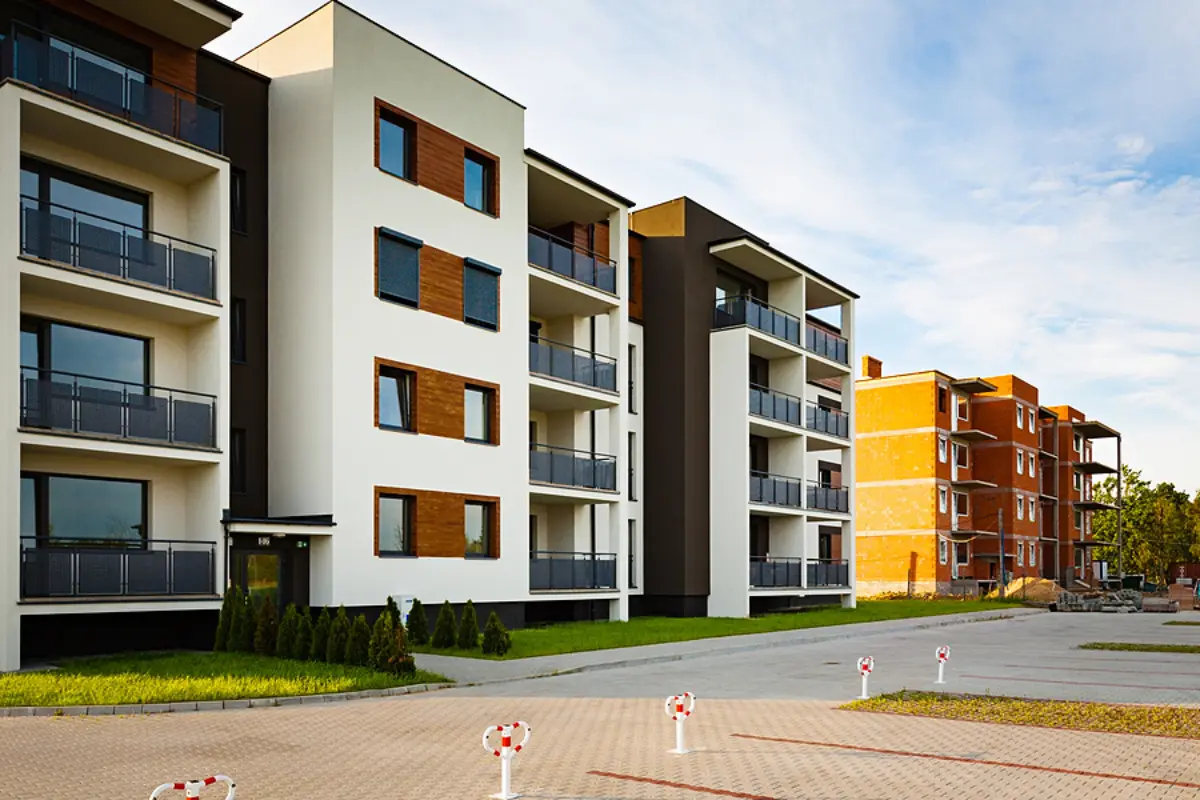
Bringing a brand-new residential property to market is a demanding phase of real estate investment. Without an established reputation or tenant history, a lease-up rental property starts from zero. Although a new building has its appeal, some tenants prefer one with a proven track record.
How you handle the first 6 to 18 months after a certificate of occupancy can determine whether your investment stabilizes on schedule or drags on for years. This article guides you through practical ways to manage new construction lease-up effectively.
Key Highlights:
- Pre-lease early. Begin marketing 3 to 6 months before the certificate of occupancy so you're not starting from a cold list on opening day.
- Price in stages. Use tiered pricing that starts slightly below market and rises as occupancy climbs, rather than guessing at a single fixed rate.
- Target your concessions. Offer incentives only where they're needed, on slow-moving units, instead of across the whole property.
- Staff ahead of demand. Build out your leasing team and response systems before the traffic arrives, not after.
- Protect your first impression. Treat your earliest tenants with extra care since their reviews and referrals will shape the property's reputation going forward.
1. Start Marketing Before the Building is Finished
Since you don’t have a reputation yet, the best thing you can do is build your brand through an online presence. The best time to do that is to begin pre-leasing 3 to 6 months before the unit is ready. This accomplishes 2 things: First, you create a pipeline for potential tenants so you won’t start with a cold list on day 1. Second, it lets you test pricing and incentive structures in real time, allowing you to adjust before you open your doors.
A property that opens its doors with even 10-15% pre-leased has a meaningful head start compared to one that starts from an empty book. This also lets you gauge rental demand and adjust your marketing strategy as needed.
2. Get the Pricing Strategy Right From Day One
Pricing is a major factor in whether you attract tenants right away or face prolonged vacancies. Finding the right rent price for new rental properties is even trickier since there are no renewal tenants to anchor against and no historical data specific to that address. Landlords can rely on a mix of similar new constructions, revenue management software, and conservative assumptions about lease-up velocity.
You can opt for a common approach, like tiered or staggered pricing. Price the first wave of units below market to drive quick absorption and build social proof, then increase rent incrementally as occupancy rises. This keeps you from either pricing too low or pricing too high, helping you stabilize your rate once you establish a curve based on occupancy history.
3. Use Concessions Strategically, Not Reflexively
Concessions or incentives can be great ways to get traction, but you need to control when and how often you offer them. Free months of rent, waived fees, gift cards, or reduced deposits are standard lease-up tools, but they shouldn't be used as blanket giveaways. It can erode your net effective rent across the property and make it harder to raise rent once the concession period ends.
Use a more targeted approach, offering concessions to units that are lagging behind. This keeps the overall rent roll healthier as you solve the specific absorption problem. Still track net effective rent, not just face rent, so the true economics of every lease are visible.
4. Build Out Leasing Operations Before You Need Them
The leasing process can become lengthy and tedious if you fail to create an efficient system. That itself can deter tenants from renting your property. Create a clear script, set up convenient communication channels for inquiries, and respond promptly. Taking days to answer prospective tenants can cost you applicants to those who respond faster.
You should also anticipate how much traffic you’ll get after your marketing efforts. It’s better to have more staff than you need than to drown in tasks like answering potential tenant questions, scheduling showings, conducting interviews, screening tenants, and more. It’s generally more efficient to staff up ahead of the anticipated demand than to play catch-up when you end up giving poor first impressions.
5. Prioritize the First Wave of Tenants
The earliest tenants in a new building play a significant role in shaping its reputation. They will be the first to leave online reviews, generate word-of-mouth recommendations, and set the tone for the community. That means you need to up your game to make a good first impression by acknowledging maintenance requests quickly, being generous with goodwill gestures, and soliciting feedback instead of waiting for complaints.
This matters more in a lease-up than a stabilized rental property since there’s no existing reputation to buffer negative reviews. Harsh early reviews can severely damage your reputation before you even start building your brand, and that can meaningfully impact your prospects.
FAQs
How long does a typical lease-up take?
Most new construction properties take 6 to 18 months to reach stabilized occupancy, though the timeline depends on unit count, submarket demand, and how early marketing begins.
When should I start marketing a new construction property?
Ideally 3 to 6 months before the building is ready for move-ins. This gives you time to build a waitlist and test pricing before the first tenant ever walks through the door.
Should I offer the same concessions to every unit?
No. Blanket concessions across the whole property can quietly erode your rent roll. It's better to reserve incentives for units that are genuinely lagging in demand.
What's the difference between face rent and net effective rent?
Face rent is the advertised monthly rate. Net effective rent accounts for concessions, giving you the true average rent a tenant pays over the lease term. Tracking the latter gives a clearer picture of your property's real performance.
Getting Ahead of Property Management Headaches
You shouldn’t wait for problems to arise before you think about investing in services that can optimize your rental operations. As mentioned earlier, the first few months of your new rental property are the most crucial, and you need to make sure everything is close to perfect.
That means avoiding taking on more than you can handle or stretching yourself so thin that you sacrifice efficiency. With services provided by Harland Property Management, you can reduce the pressure of handling a new construction lease-up.
Contact us, and let’s make sure your investment gets the boost it needs.
More Resources:
What Is Search Visibility in Rental Listings and How to Improve It